Doing Exceptional Work Isn't Enough: How to Build the Industry Presence Your Career Demands
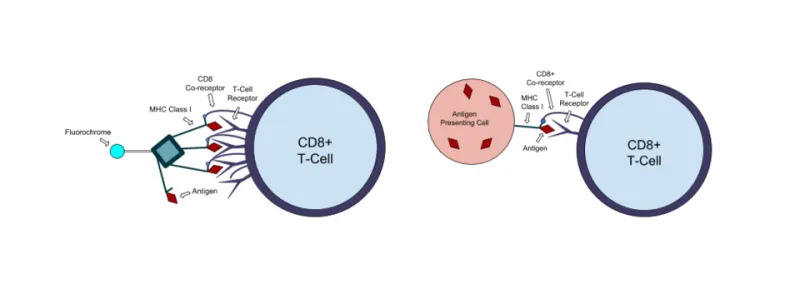
Photo: Bethmkthomas, CC BY-SA 4.0, via Wikimedia Commons
The Quiet Frustration of Invisible Excellence
There is a particular kind of professional frustration that rarely gets discussed openly: the experience of producing consistently strong work, meeting every standard, exceeding every expectation—and still watching colleagues with seemingly lesser output advance faster, earn more recognition, and occupy the rooms where consequential decisions are made.
This is not a story about fairness. It is a story about a gap that exists between competence and credibility, and understanding that gap is one of the most important career investments a professional can make.
The assumption that quality work eventually speaks for itself is deeply embedded in professional culture. It is also, in most industry environments, demonstrably false. Work that is not witnessed, discussed, or connected to a recognizable name rarely travels beyond the immediate context in which it was produced. In a field where advancement depends on being known—by peers, by senior practitioners, by the broader community of influencers who shape hiring decisions and project opportunities—invisibility carries a real professional cost.
Why Talented Professionals Stay Hidden
The tendency to deprioritize visibility is not simply a matter of modesty. For many high-performing professionals, deliberate underinvestment in industry presence stems from a set of entirely reasonable beliefs: that good work should be recognized on its merits, that self-promotion feels inauthentic or even distasteful, and that time spent on visibility is time taken away from the craft itself.
These beliefs are understandable. They are also, over time, professionally limiting.
The professionals who achieve sustained influence in their fields are rarely those who simply outwork everyone else in isolation. They are, more often, the ones who have cultivated a presence that makes their expertise legible to people who have never reviewed their work directly. They are known. And being known—in the right circles, for the right things—is not vanity. It is infrastructure.
The challenge, then, is not whether to build visibility, but how to do so in a way that feels genuine, sustainable, and aligned with the values that drew you to your profession in the first place.
Repositioning Yourself as a Resource, Not a Broadcaster
One of the most effective reframes for professionals who resist self-promotion is to stop thinking about visibility as broadcasting and start thinking about it as contribution.
The professionals who build the most durable reputations in their fields are rarely those who talk most frequently about themselves. They are the ones who make themselves reliably useful to others—answering questions, sharing relevant research, flagging emerging issues before they become common knowledge, and connecting people who would benefit from knowing each other.
Within the context of a professional organization like OPDG, this kind of contribution takes concrete form. It might mean participating actively in working groups or committee discussions rather than simply attending events. It might mean submitting a case study or a brief practitioner perspective to a member publication. It might mean volunteering to facilitate a session at a regional meeting, not to showcase yourself, but to create a forum where colleagues can learn from one another.
None of these activities require you to claim expertise you don't have. They require only that you show up consistently and contribute honestly. Over time, that consistency becomes its own form of recognition.
Entering Industry Conversations Strategically
Every field has ongoing conversations—debates about methodology, disputes over emerging standards, questions about where the profession is heading. Professionals who engage with these conversations, even modestly, gain a visibility that is both organic and credible.
Engaging does not mean having the loudest voice or the most provocative take. It means being present in the discourse. This might look like responding thoughtfully to a peer's published article, contributing a comment to a professional forum discussion, or raising a substantive question during a webinar that prompts broader reflection.
The cumulative effect of these small contributions is significant. When decision-makers encounter your name repeatedly in the context of substantive professional exchange, they begin to associate you with the kind of engaged, intellectually serious practitioner they want in their networks—and eventually, on their teams or advisory panels.
For professionals in the early or middle stages of their careers, this kind of strategic participation in industry conversation can accelerate recognition far more efficiently than any single high-profile achievement.
Letting Your Network Carry Your Reputation
Perhaps the most underutilized visibility strategy available to any professional is the deliberate cultivation of advocates—people who will speak about your work and your expertise when you are not in the room.
This is distinct from networking in the transactional sense. It is about investing in relationships deeply enough that the people in your professional circle understand what you do, why it matters, and who would benefit from knowing you. When those relationships are genuine and reciprocal, your network becomes an extension of your professional identity in ways that no amount of personal broadcasting can replicate.
Building this kind of network requires intentionality. It means being specific when you communicate your expertise—not simply listing credentials, but articulating the particular problems you solve and the perspective you bring. It means following through reliably when colleagues turn to you for input or assistance. And it means being an active advocate for others, so that the culture of reciprocal recognition you are trying to build has a foundation of genuine mutual investment.
Within a professional organization, this dynamic is especially accessible. The members who become known throughout the OPDG community are frequently those who have made a practice of connecting others, sharing credit generously, and treating every interaction as an opportunity to add value rather than extract it.
Making Visibility a Professional Habit, Not a Campaign
One reason visibility efforts so often stall is that professionals approach them as campaigns—intensive bursts of activity that are difficult to sustain alongside the demands of actual work. A more durable approach treats visibility as a set of small, consistent habits rather than periodic initiatives.
This might mean committing to one substantive contribution to an industry forum each month. It might mean attending a single OPDG event each quarter with the specific intention of reconnecting with two or three people whose work intersects with yours. It might mean setting aside time annually to write a brief practitioner reflection—not a polished white paper, but an honest account of something you learned or observed that your peers would find useful.
None of these habits are time-intensive in isolation. Together, they create a continuous, low-effort presence that compounds over years into genuine professional recognition.
The Long View on Professional Credibility
The professionals who look back on long, influential careers rarely attribute their success solely to the quality of their work—though that quality was, of course, essential. They more often describe a combination of expertise and presence: being good at what they do and being known for it by the people who mattered at the right moments.
Building that presence is not a distraction from professional development. It is a core dimension of it. For OPDG members who are committed to advancing excellence in their field, developing intentional visibility is not optional. It is part of the work.