Make One Conference Count All Year: A Strategic Playbook for Infrequent Attendees

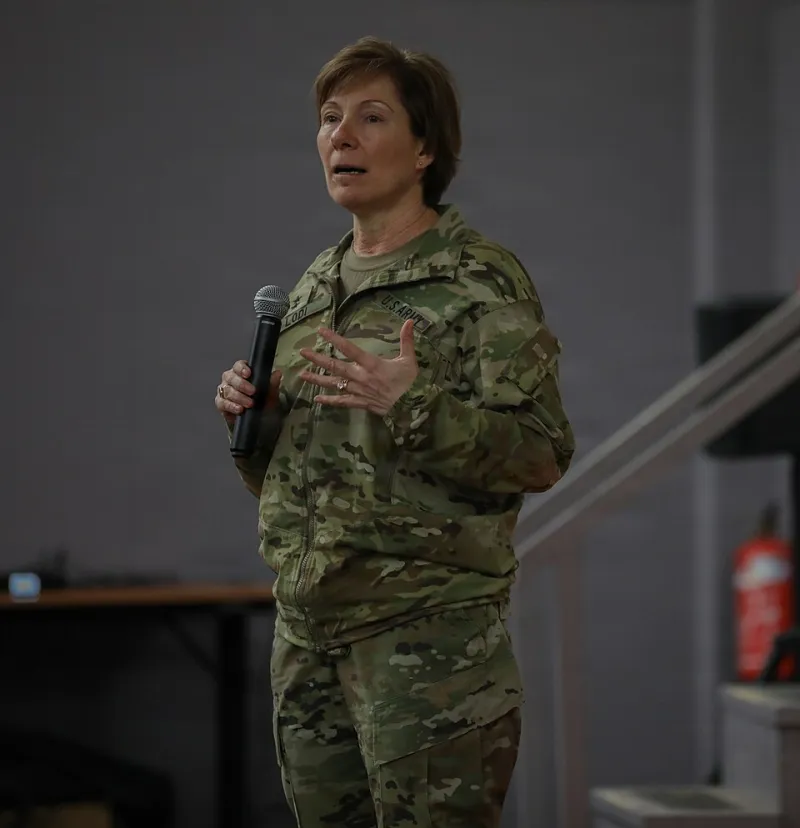
Photo: Shixart1985, CC BY 2.0, via Wikimedia Commons
When One Opportunity Has to Do the Work of Many
Not every professional has the luxury of a robust conference calendar. Geographic constraints, organizational travel budgets, family obligations, and demanding workloads mean that for a significant portion of our industry's practitioners, a single annual event represents the primary—sometimes the only—structured opportunity for in-person professional engagement.
This reality shapes a particular challenge: how do you extract maximum value from a single conference when peers with more flexible schedules spread their networking investment across four, five, or six events per year? The answer lies not in trying to replicate their volume in a compressed timeframe, but in applying a level of strategic discipline before, during, and after the event that transforms it from an isolated experience into a sustained professional resource.
Before You Arrive: The Intelligence Phase
The professionals who consistently report the highest returns from conference attendance share a common trait: they do not begin networking at the event. They begin weeks earlier.
Effective pre-event preparation starts with a clear statement of objectives. What do you specifically want to accomplish? Possible goals include identifying two or three individuals whose expertise addresses a current professional challenge, gathering competitive intelligence on a trend reshaping your sector, or deepening relationships with existing contacts whom you rarely encounter in person. Vague intentions—"meet interesting people," "see what's out there"—produce vague outcomes.
Once objectives are defined, research becomes purposeful. Review the published attendee list and speaker roster carefully. Cross-reference names against LinkedIn profiles, recent publications, and any public commentary on issues relevant to your work. Within OPDG Professional Network's member resources, prior event coverage and member directories can provide additional context before you set foot in the venue.
From this research, identify a prioritized short list—no more than eight to ten individuals you genuinely want to connect with. Attempting to meet everyone guarantees you will have meaningful conversations with no one. Selectivity is a feature, not a limitation.
Where the event platform permits, send brief, specific connection requests before the conference begins. Reference a shared interest, a piece of their work you found valuable, or a question you would like to explore in person. A concise, substantive outreach message sent in advance dramatically increases the likelihood of a productive conversation at the event itself.
On the Ground: Conversation Architecture That Creates Lasting Impressions
The conference floor is a cognitively demanding environment. Noise, schedule pressure, and the sheer volume of social interaction make it difficult to have the kinds of conversations that actually produce lasting professional relationships. Structured intentionality is the antidote.
Approach priority conversations with a framework, not a script. The most effective professional exchanges follow a simple arc: establish genuine common ground, demonstrate substantive knowledge of the other person's work or perspective, and introduce a question or observation that creates mutual intellectual engagement. People remember conversations in which they felt genuinely heard and intellectually stimulated—not interactions that felt like transactional card exchanges.
Resist the temptation to cover as much ground as possible in each interaction. A fifteen-minute conversation that goes deep on a single relevant issue will outlast a forty-five-minute surface-level tour of professional backgrounds. If a conversation is going well, protect it. The impulse to circulate constantly is one of the most common ways conference attendees undermine the quality of their own networking.
Take brief, specific notes after each meaningful interaction—ideally within minutes of the conversation's conclusion. What did you discuss? What did they mention that seemed important to them? What did you commit to following up on? These details depreciate rapidly in memory and are essential inputs for the follow-up phase.
Also consider the value of small-group and off-program moments. Dinners, receptions, and informal gatherings frequently produce more candid and substantive exchanges than scheduled sessions. Arrive at these events with the same intentionality you bring to the main program.
After the Event: Where Most Attendees Leave Value on the Table
The follow-up phase is where the majority of conference networking investment is either realized or forfeited. Most professionals send a handful of LinkedIn connection requests in the days following an event and consider the process complete. This approach converts a significant investment of time, money, and attention into a marginal expansion of a contact list.
A more effective approach sequences follow-up across time in a way that builds genuine relational momentum.
Within 48 hours, send personalized messages to each priority contact. Reference something specific from your conversation—a point they made, a question you discussed, a resource they mentioned. This specificity signals that the interaction was meaningful to you and distinguishes your message from the generic outreach that floods inboxes post-conference.
Within two weeks, add substantive value to at least two or three of these connections. Share an article relevant to something they mentioned. Introduce them to someone in your network who could be useful to their work. Offer a brief response to a question they raised. Value exchange, not just acknowledgment, is what activates a new connection.
Over the following months, maintain a light but consistent presence. A quarterly check-in—a shared article, a brief note about a development in an area of mutual interest, a congratulatory message when they publish or present—keeps relationships alive without requiring disproportionate time investment.
Turning a Single Event Into a Year-Round Intelligence Asset
Beyond individual relationships, a single conference can serve as a launching point for sustained engagement with the broader professional community. The conversations you have and the sessions you attend generate a map of where the industry's thinking is concentrated, where debates are live, and which voices are shaping emerging consensus.
Document these observations systematically. Review your notes in the weeks following the event and identify two or three themes worth tracking throughout the year. Subscribe to the publications, podcasts, or forums where those conversations are continuing. When you encounter relevant developments, share them with the contacts you made at the event—a practice that simultaneously deepens those relationships and positions you as a thoughtful, engaged professional.
For members of OPDG Professional Network, the organization's ongoing programming, forums, and member communications provide natural continuity between in-person events. Leveraging these resources to maintain the momentum generated at a single conference is among the highest-return uses of professional network membership.
One Event, Compounded
Geographic or scheduling limitations need not translate into diminished professional connectivity. With deliberate preparation, disciplined in-room strategy, and structured follow-through, a single well-executed conference can generate relationships and intelligence that sustain professional development across an entire year. The constraint is real; the ceiling it imposes is not.